Supporting research excellence and undergraduate education in Environmental Fluid Mechanics
EFM Lab aims to understand the physical processes involved in environmental fluid flow phenomena and to develop new mathematical models to simulate them, by combining theoretical, experimental and computational investigations.
To be a leading lab in Environmental Fluid Mechanics, advancing the understanding of fluid flow through innovative research and supporting sustainable solutions for environmental challenges, while educating and inspiring future scientists and engineers.
Investigating fluid flow phenomena in environmental and industrial applications
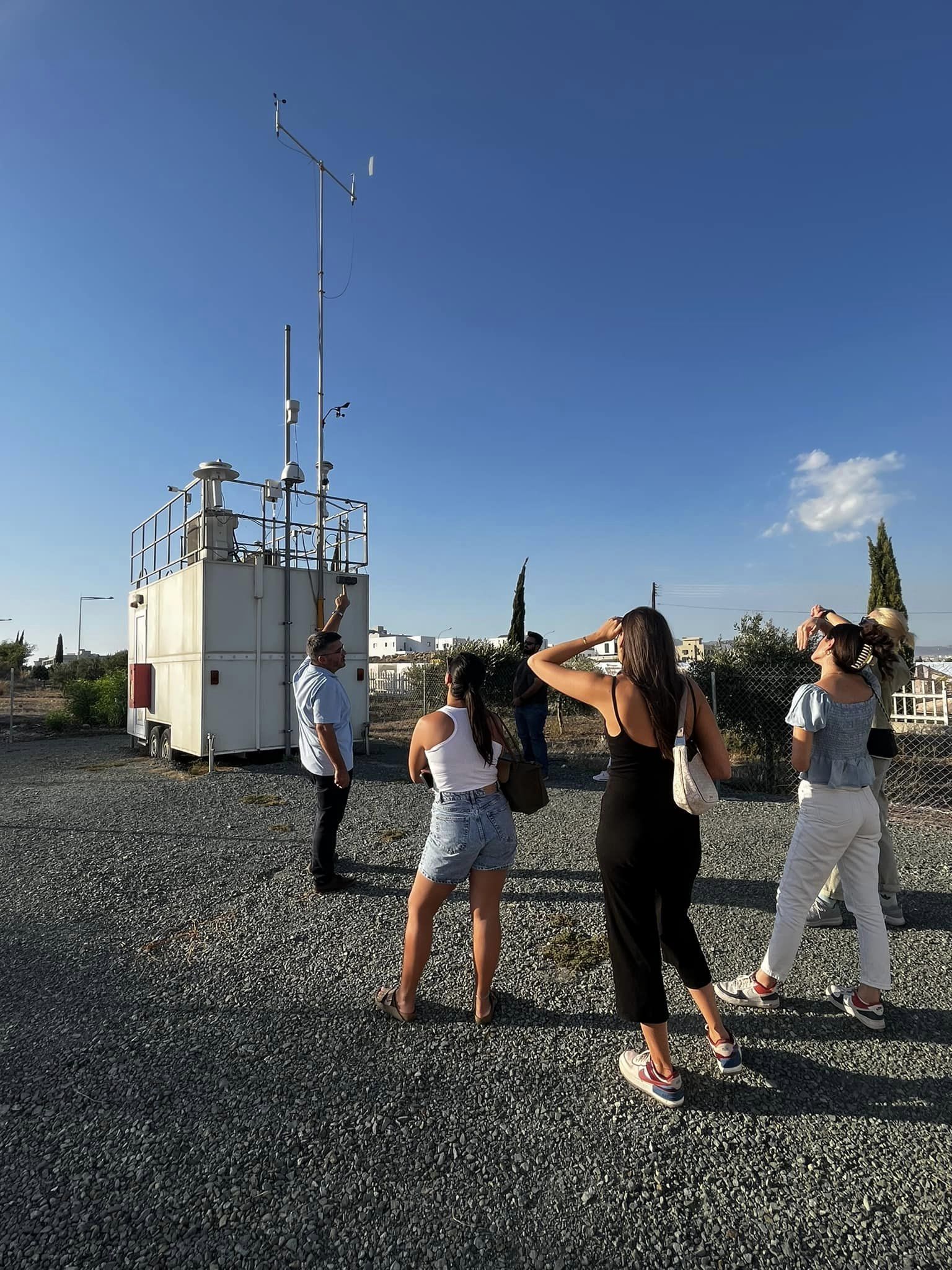
EFM Lab studies air pollution across local to regional scales, investigating pollutant transport, dispersion, and exposure under complex atmospheric conditions. Combining measurements and advanced modelling, the lab supports air quality assessment and mitigation strategies.
The EFM Lab investigates air pollution processes across local, urban, and regional scales, combining field measurements, laboratory experiments, and advanced numerical modelling. Research focuses on particulate matter (PM), desert dust storms in the Eastern Mediterranean, pollutant transport, and transboundary air quality impacts. Using CFD simulations, mesoscale meteorological modelling (e.g., WRF), and multi-scale data analysis, the lab develops scientifically robust tools for exposure assessment, mitigation strategies, and policy-relevant decision support.
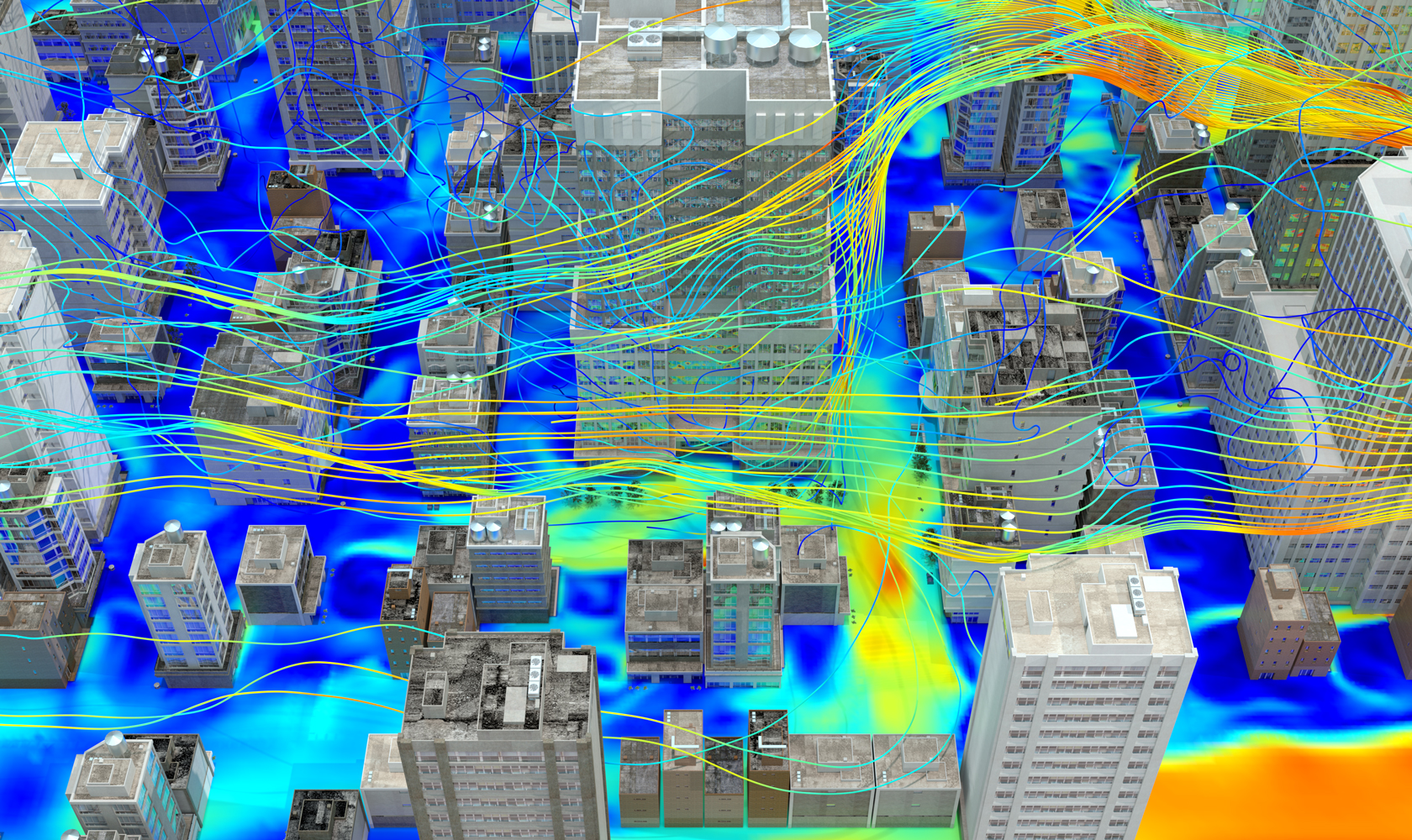
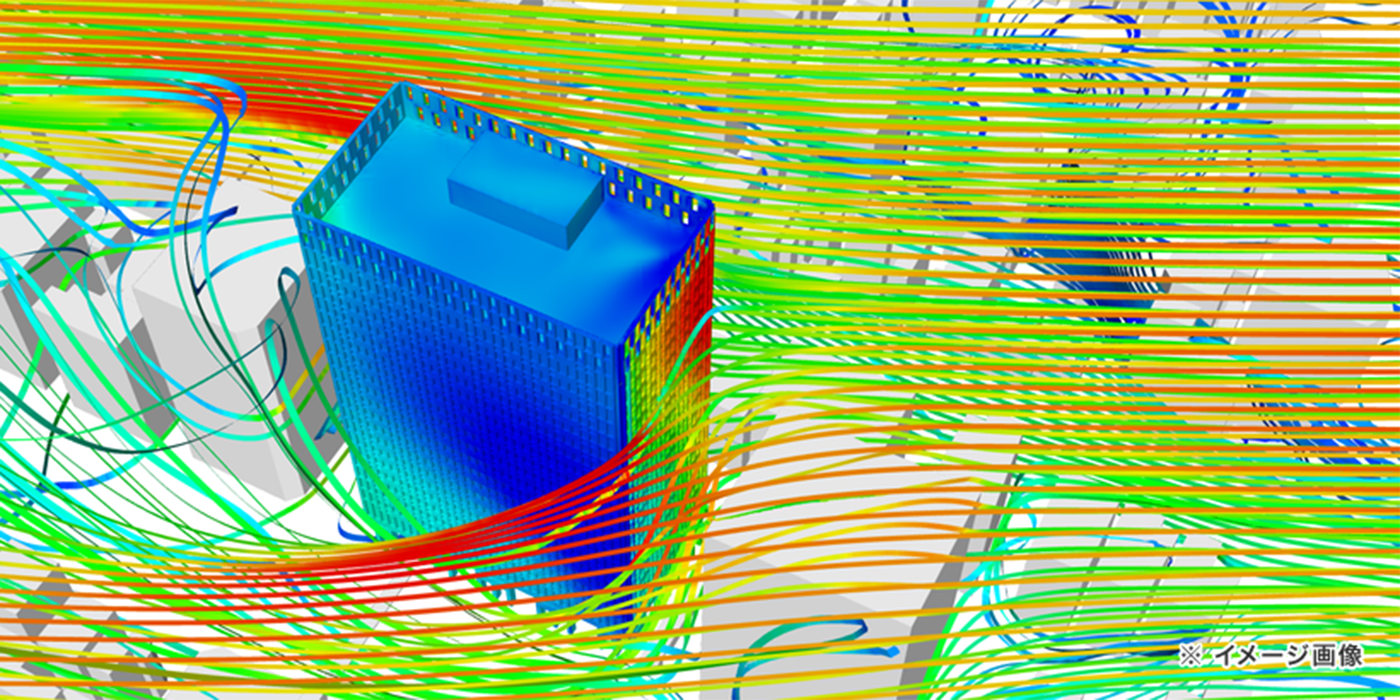
The lab examines airflow and pollutant dispersion within urban environments using experiments, field campaigns, and CFD simulations. Research advances understanding of urban ventilation, turbulence, and heat interactions to support climate-sensitive city design.
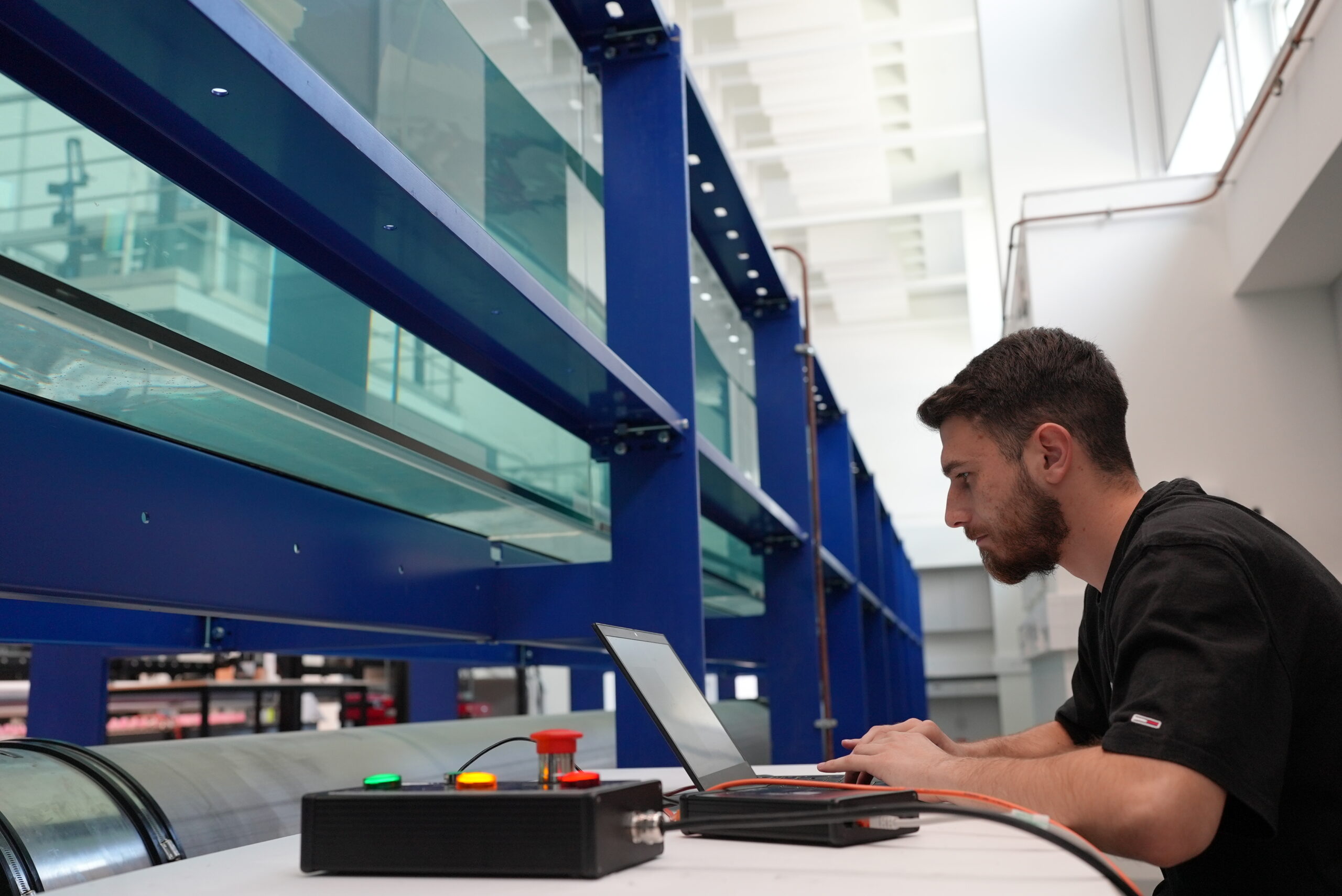
A core research pillar of the laboratory is urban fluid dynamics and pollutant dispersion within complex city geometries. Through controlled wind tunnel and water-channel experiments (including Particle Image Velocimetry), combined with Computational Fluid Dynamics (CFD) simulations and field campaigns, the lab studies: Street canyon ventilation and breathability, Urban Heat Island dynamics, Turbulence and buoyancy-driven flows, Multi-scale interactions from building to mesoscale. The work contributes to improved urban canopy parameterizations and climate-sensitive urban design strategies for healthier and more energy-efficient cities.
EFM Lab investigates turbulent, buoyancy-driven, and stratified flows in environmental and confined systems. Experimental and numerical approaches are used to improve understanding of transport and mixing processes.
The laboratory investigates fundamental and applied aspects of fluid mechanics in confined and semi-enclosed environments. Research includes buoyancy-
and momentum-driven turbulent flows, mixing processes, stratification phenomena, and scale-adaptive modelling approaches. Experimental and computational methods are used to better understand transport processes relevant to environmental and engineering applications.
Research focuses on contaminant transport and dispersion in natural and engineered water systems. The lab applies fluid dynamics modelling to assess environmental risks and support sustainable water management.
Research in water pollution focuses on transport, mixing, and dispersion mechanisms of contaminants in natural and engineered water systems. The lab applies fluid dynamics principles and modelling techniques to predict pollutant spread, assess environmental risks, and support sustainable management strategies. Emphasis is placed on understanding turbulence-driven transport and multi-scale variability.
The lab translates environmental fluid mechanics into practical solutions for building performance, ventilation, energy efficiency, and safety-related flow scenarios. Work also addresses environmental quality aspects such as thermal comfort, airflow, noise, and lighting.
The EFM Lab applies environmental fluid mechanics to practical engineering, sustainability, and safety challenges. Our work supports energy-efficient building design, ventilation and urban energy performance, while also addressing accidental pollutant releases and fire-driven flows in complex environments. The lab further contributes to indoor and outdoor environmental quality studies, including thermal comfort, airflow, noise, and lighting conditions, delivering scientifically grounded and operationally relevant solutions.
EFM Lab studies multi-scale environmental processes including urban heat transfer, atmospheric boundary-layer dynamics, pollutant transport, and fire-driven flows, linking physical understanding with sustainability and resilience challenges.
EFM Lab addresses environmental phenomena where multi-scale fluid dynamics plays a defining role, including urban heat transfer, the Urban Heat Island, atmospheric boundary-layer processes, pollutant transport and dispersion, fire-driven buoyant flows, and long-range atmospheric transport events. The work links fundamental physical understanding with real-world environmental implications, supporting resilience, risk awareness, and sustainability in both the built and natural environment.
EFM Lab studies air pollution across local to regional scales, investigating pollutant transport, dispersion, and exposure under complex atmospheric conditions. Combining measurements and advanced modelling, the lab supports air quality assessment and mitigation strategies.
The lab examines airflow and pollutant dispersion within urban environments using experiments, field campaigns, and CFD simulations. Research advances understanding of urban ventilation, turbulence, and heat interactions to support climate-sensitive city design.
EFM Lab investigates turbulent, buoyancy-driven, and stratified flows in environmental and confined systems. Experimental and numerical approaches are used to improve understanding of transport and mixing processes.
Research focuses on contaminant transport and dispersion in natural and engineered water systems. The lab applies fluid dynamics modelling to assess environmental risks and support sustainable water management.
The lab translates environmental fluid mechanics into practical solutions for building performance, ventilation, energy efficiency, and safety-related flow scenarios. Work also addresses environmental quality aspects such as thermal comfort, airflow, noise, and lighting.
EFM Lab studies multi-scale environmental processes including urban heat transfer, atmospheric boundary-layer dynamics, pollutant transport, and fire-driven flows, linking physical understanding with sustainability and resilience challenges.
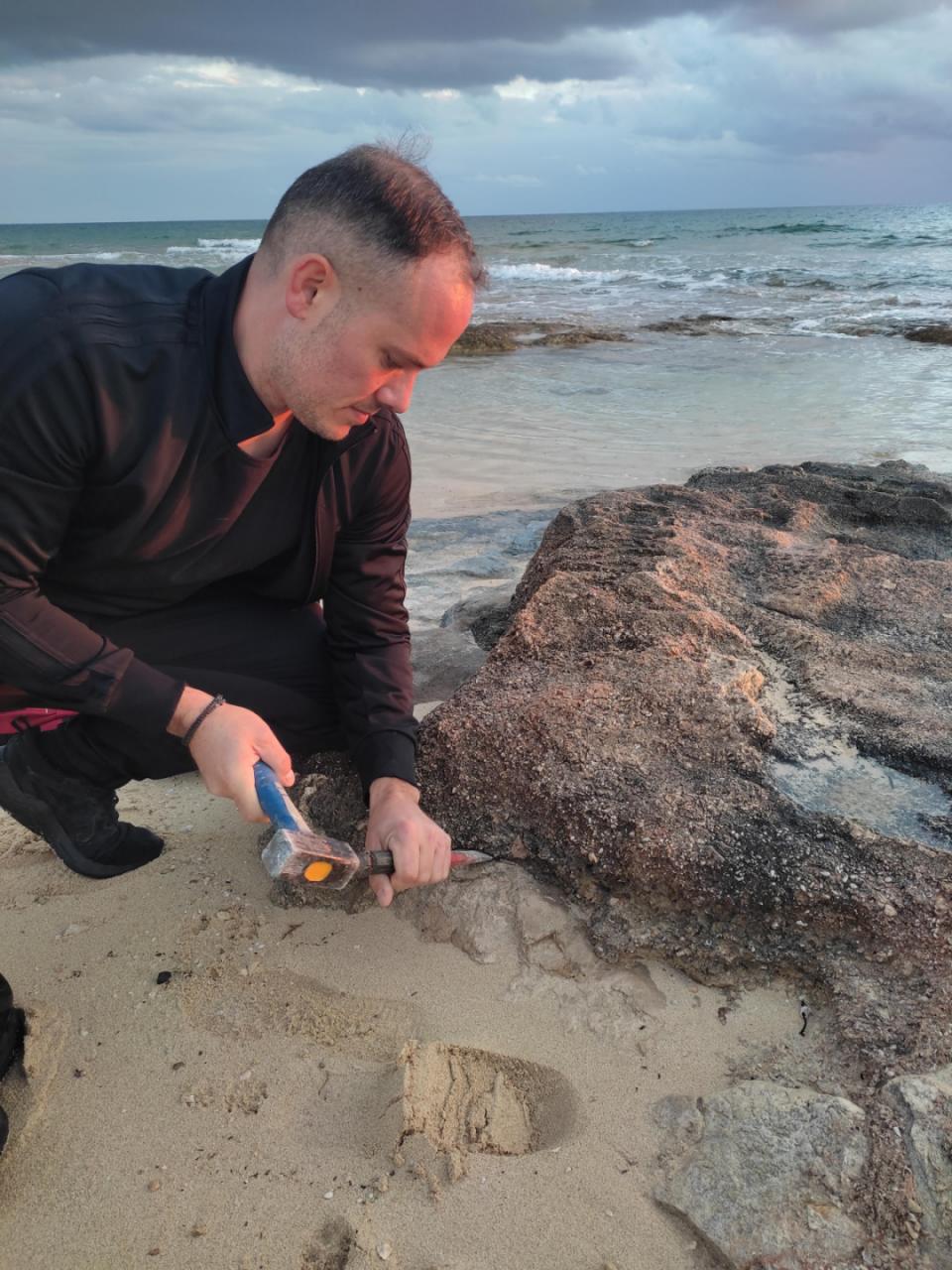
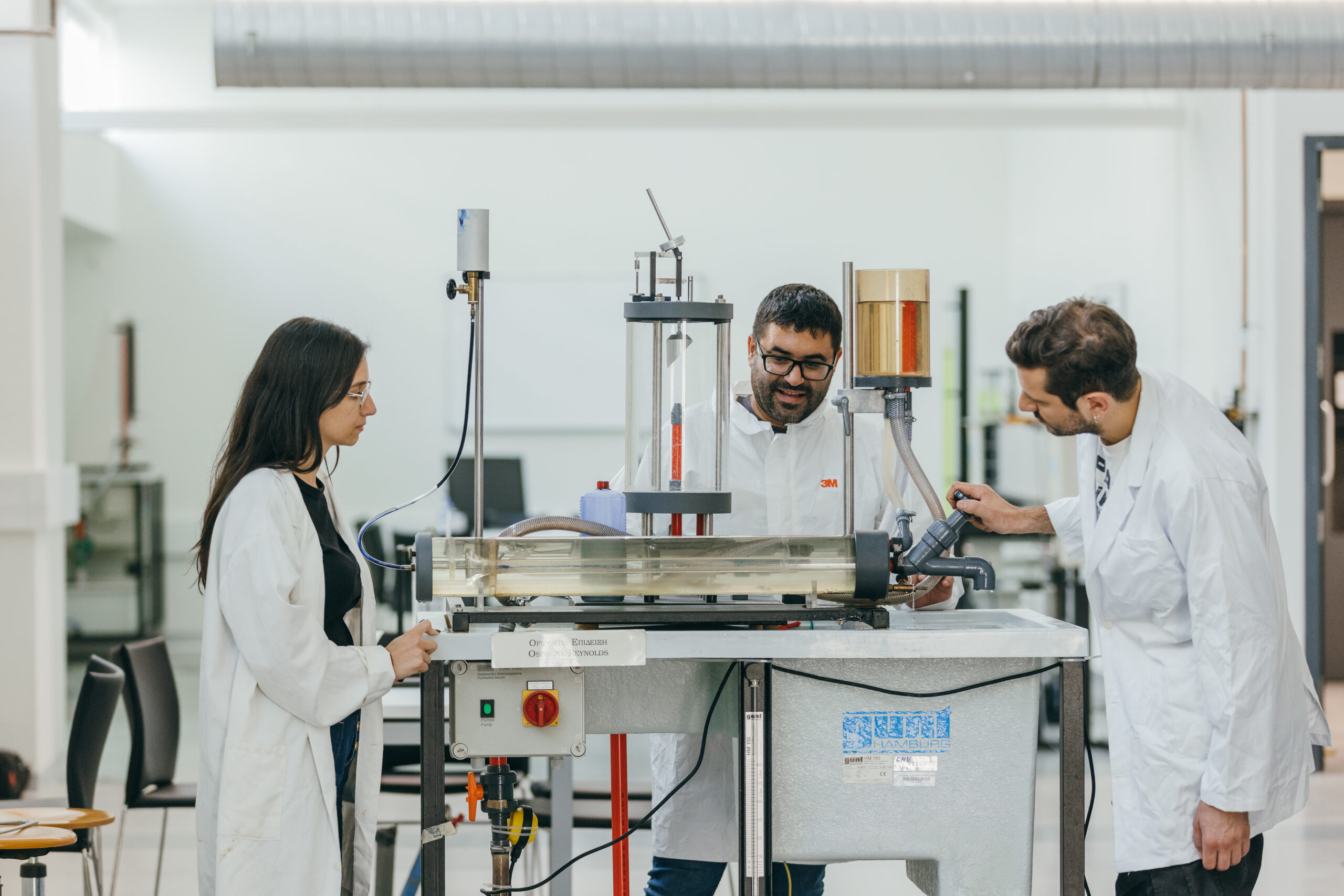
The Environmental Fluid Mechanics Laboratory (EFM-Lab), established in 2006, is a key research pillar of the Department of Civil and Environmental Engineering. It focuses on fluid flow in natural and built environments, with applications in air quality, urban microclimates, hydrodynamic systems, as well as the sustainability and resilience of coastal infrastructure.
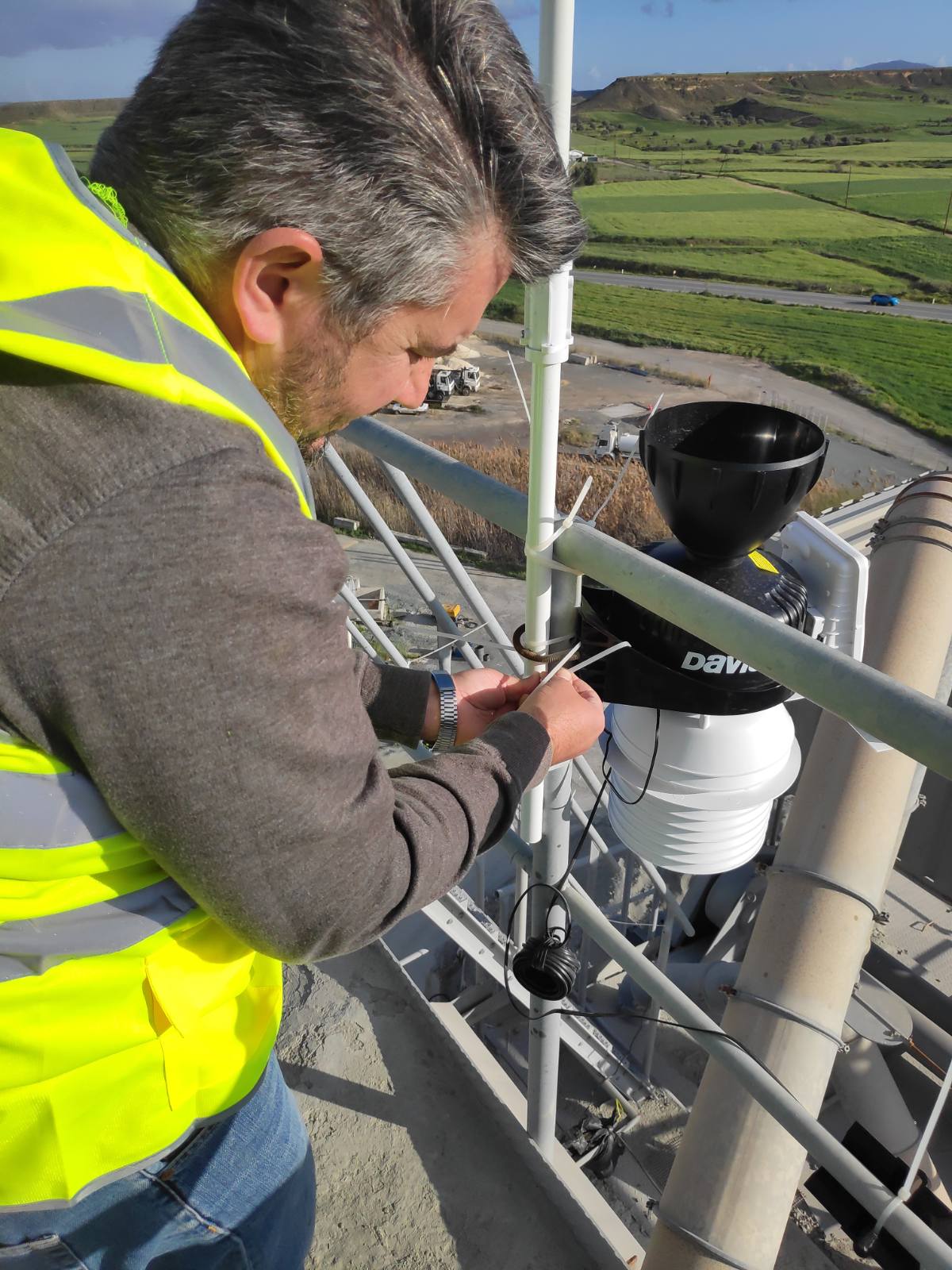
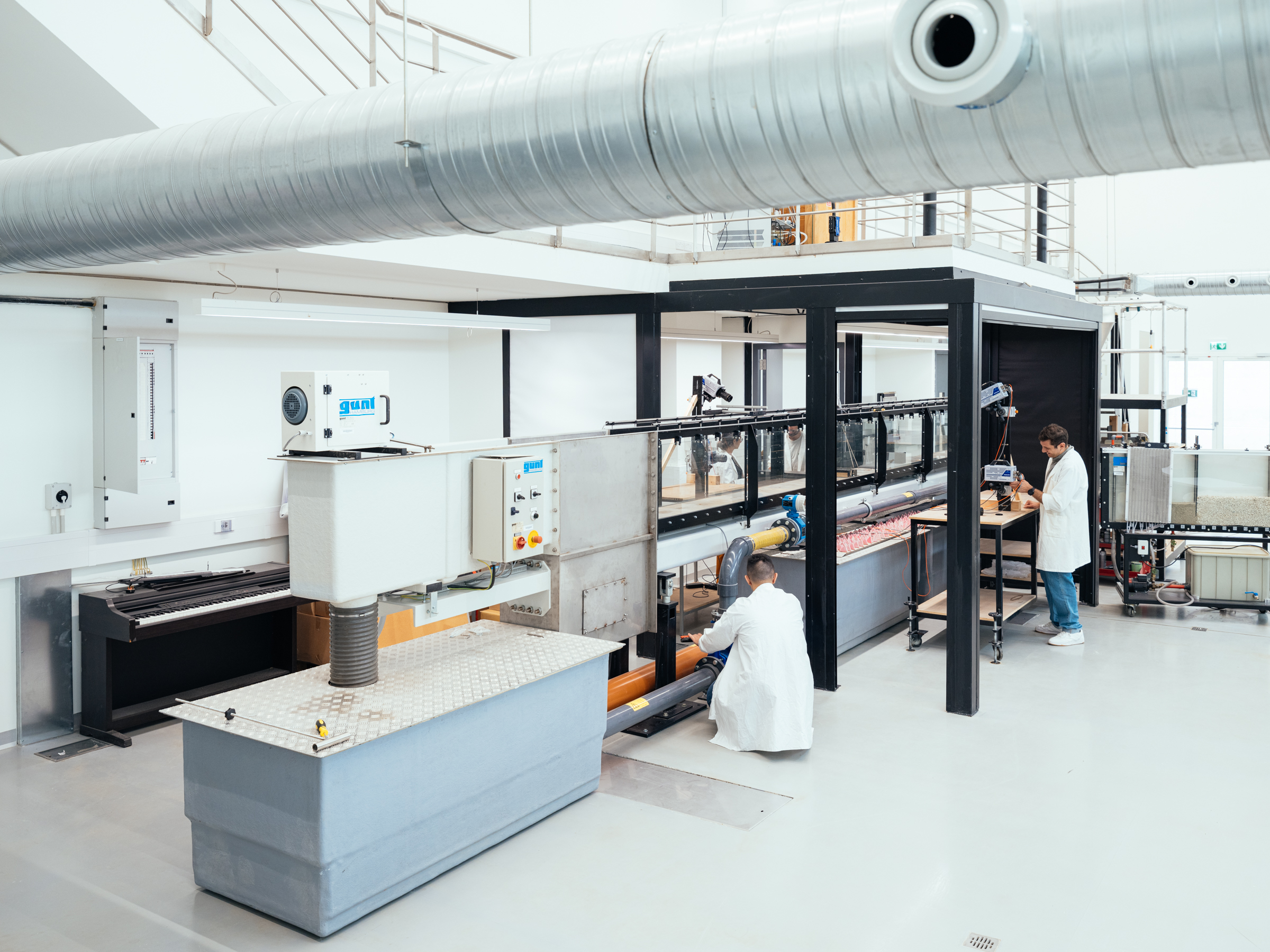
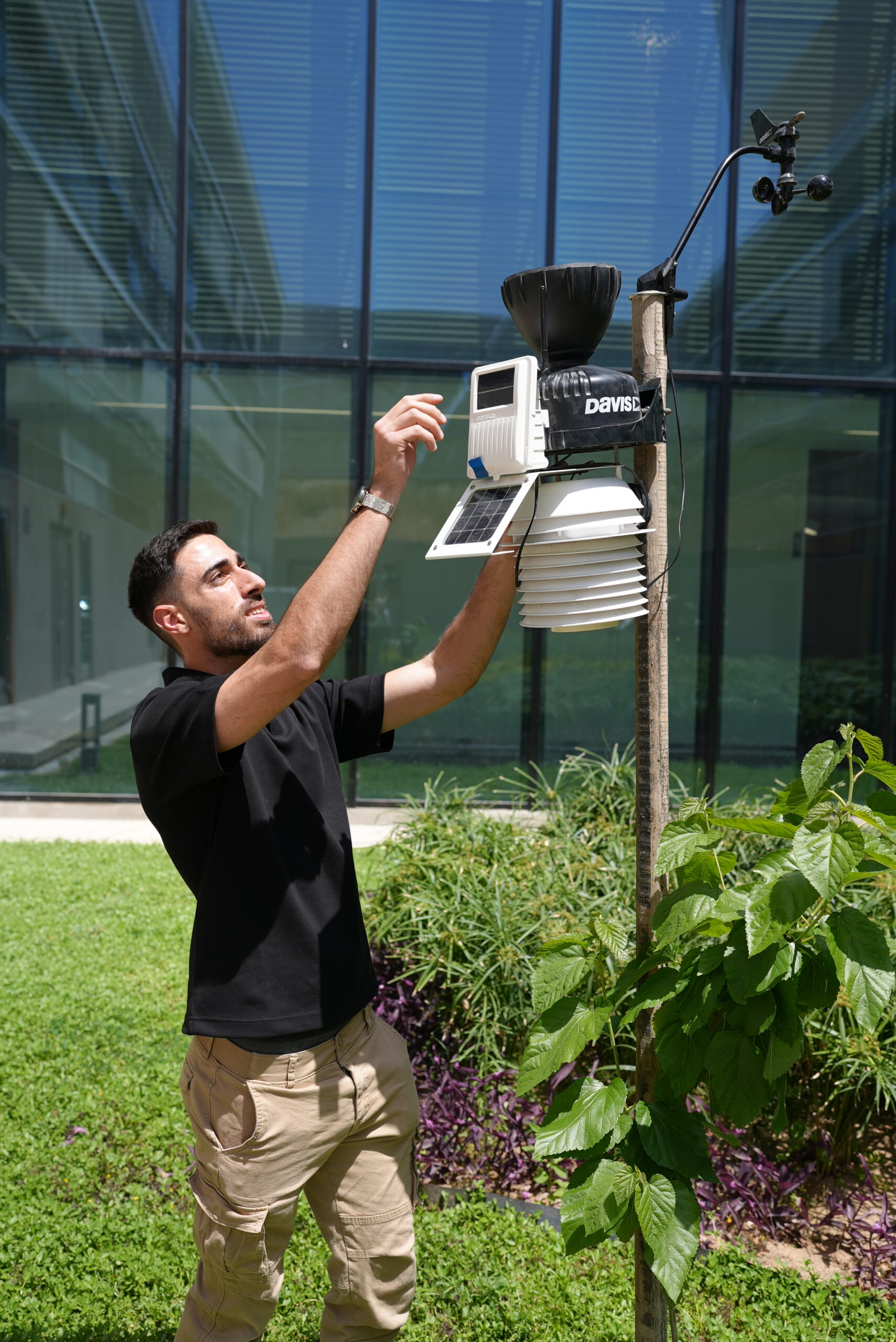
The lab participates in national and European projects, contributing to issues related to climate change and public health. It is equipped with advanced infrastructure (CFD, wind tunnel, GIS, sensors etc) and offers high-level education and research opportunities to students and researchers.